
- Inicio
- La editorial
- Catálogo
- Temáticas
- Artes
- Biografías, literatura y estudios literario
- Ciencias de la Tierra, geografía, medioambiente, planificación
- Computación y tecnología de la información
- Economía, finanzas, empresa y gestión
- Ficción y temas afines
- Historia, arqueología y filosofía
- Infantil, juvenil y educativo
- Lenguaje y lingüística
- Matemáticas y ciencias
- Medicina, enfermería, veterinaria
- Novela gráfica, cómics, manga, dibujos animados
- Sociedad, ciencias sociales y derecho
- Tecnología, ingeniería, agricultura, procesos industriales
- Colecciones
- Temáticas
- Acceso abierto
- Revistas
- Divulgación
- Distribución
- Ferias FilSMar
- Contacto
¡Actualizamos nuestra plataforma de lectura! Ahora puedes leer tus eBooks desde la app Mon’k. 👉 Conoce cómo
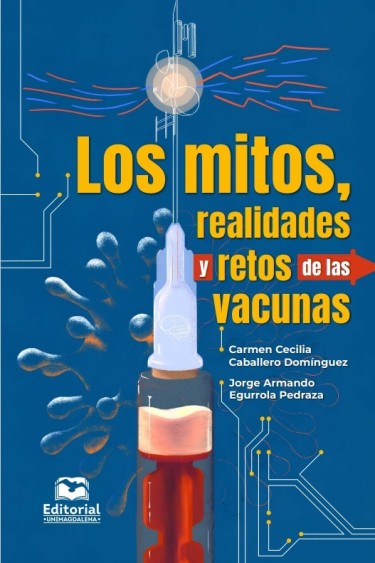
Los mitos, realidades y retos de las vacunas
The myths, realities, and challenges of vaccines
- Colaboradores
- Carmen Cecilia Caballero Dominguez (Autor)
- Jorge Armando Egurrola Pedraza (Autor)

A lo largo de la historia, las pandemias han puesto a prueba la capacidad de adaptación de la humanidad y han revelado la importancia de la vacunación como una de las herramientas más eficaces para proteger la salud pública. Sin embargo, la aceptación de las vacunas continúa enfrentando barreras relacionadas con creencias culturales, mitos arraigados y la creciente circulación de desinformación. Esta cartilla surge como una respuesta a esos desafíos, con el propósito de ofrecer un recurso accesible que desmitifique las falsas creencias en torno a las vacunas y presente información clara, confiable y basada en evidencia.
El documento aborda el papel fundamental de la vacunación para prevenir la propagación de enfermedades infecciosas y expone los resultados de un estudio sobre la actitud negativa hacia las vacunas en la región Caribe de Colombia. A partir de este análisis, se identifican los principales retos en el escenario pospandemia, así como las oportunidades para fortalecer la confianza en los programas de inmunización.
Con un enfoque pedagógico y práctico, esta cartilla busca promover una actitud informada y positiva frente a la vacunación, contribuyendo a la construcción de comunidades más saludables y seguras. Finalmente, reconoce y agradece el aporte de los investigadores y colaboradores que hicieron posible este trabajo.
Throughout history, pandemics have tested humanity’s ability to adapt and have highlighted the importance of vaccination as one of the most effective tools for protecting public health. However, vaccine acceptance continues to face barriers related to cultural beliefs, deeply rooted myths, and the growing spread of misinformation. This booklet emerges as a response to these challenges, aiming to offer an accessible resource that demystifies false beliefs about vaccines and presents clear, reliable, and evidence-based information.
The document examines the fundamental role of vaccination in preventing the spread of infectious diseases and presents the results of a study on negative attitudes toward vaccines in the Caribbean region of Colombia. Based on this analysis, it identifies the main challenges in the post-pandemic context, as well as the opportunities to strengthen trust in immunization programs.
With a pedagogical and practical approach, this booklet seeks to promote an informed and positive attitude toward vaccination, contributing to the development of healthier and safer communities. Finally, it acknowledges and expresses gratitude for the work of the researchers and collaborators who made this publication possible.
[Contenido]
- HEA050000 SALUD Y ESTADO FISICO > Vacunas (Principal)
- MBNK Medicina, enfermería, veterinaria > Medicina: cuestiones generales (Principal)
- 613 Tecnología (ciencias aplicadas) > Ciencias médicas y medicina > Promoción de la salud (Principal)
- Ciencias médicas y de salud - Medicina
Estado: Activo
ISBN-13: 9789587469752
DOI: 10.21676/9789587469752
Tipo de contenido principal: Texto (legible a simple vista)
Tipo de contenido del producto: Texto (legible a simple vista)
Protección técnica de publicación digital: Ninguno
Tipo de restricción de uso en publicaciones digitales:
Permiso de uso en publicaciones digitales: No permitido
Idioma del texto: Español
Tamaño del archivo: 5 Megabytes (MB)
Número absoluto de páginas: 41 Páginas
Sello editorial: Editorial Unimagdalena
Tipo de edición: Nueva edición
Número de edición: 1
Ciudad de publicación: Santa Marta
País de publicación: Colombia
Fecha de publicación: 2025-12-11
Tipo de restricción de venta: Exclusivo para un punto o canal de venta
Distribuidor de la editorial: Editorial Unimagdalena
Disponibilidad del producto: Disponible. Sin detalles.
Estado: Activo
ISBN-13: 9789587469769
DOI: 10.21676/9789587469752
Tipo de contenido principal: Texto (legible a simple vista)
Tipo de contenido del producto: Texto (legible a simple vista)
Protección técnica de publicación digital: Ninguno
Tipo de restricción de uso en publicaciones digitales:
Permiso de uso en publicaciones digitales: No permitido
Idioma del texto: Español
Tamaño del archivo: 5 Megabytes (MB)
Número de páginas orientativo de un producto digital: 41 Páginas
Sello editorial: Editorial Unimagdalena
Tipo de edición: Nueva edición
Número de edición: 1
Ciudad de publicación: Santa Marta
País de publicación: Colombia
Fecha de publicación: 2025-12-11
Tipo de restricción de venta: Exclusivo para un punto o canal de venta
Distribuidor de la editorial: Editorial Unimagdalena
Disponibilidad del producto: Disponible. Sin detalles.
General / "Trade"
Destinatarios del contenido: Sin restricción
Digital (suministrado electrónicamente) - PDF
- Editorial Unimagdalena: https://libros.unimagdalena.edu.co/los-mitos-realidades-y-retos-de-las-vacunas-9sgdr.html
Digital (suministrado electrónicamente) - EPUB
- Editorial Unimagdalena: https://libros.unimagdalena.edu.co/los-mitos-realidades-y-retos-de-las-vacunas-9sgdr.html