
- Inicio
- La editorial
- Catálogo
- Temáticas
- Artes
- Biografías, literatura y estudios literario
- Ciencias de la Tierra, geografía, medioambiente, planificación
- Computación y tecnología de la información
- Economía, finanzas, empresa y gestión
- Ficción y temas afines
- Historia, arqueología y filosofía
- Infantil, juvenil y educativo
- Lenguaje y lingüística
- Matemáticas y ciencias
- Medicina, enfermería, veterinaria
- Novela gráfica, cómics, manga, dibujos animados
- Sociedad, ciencias sociales y derecho
- Tecnología, ingeniería, agricultura, procesos industriales
- Colecciones
- Temáticas
- Acceso abierto
- Revistas
- Divulgación
- Distribución
- Ferias FilSMar
- Contacto
¡Actualizamos nuestra plataforma de lectura! Ahora puedes leer tus eBooks desde la app Mon’k. 👉 Conoce cómo
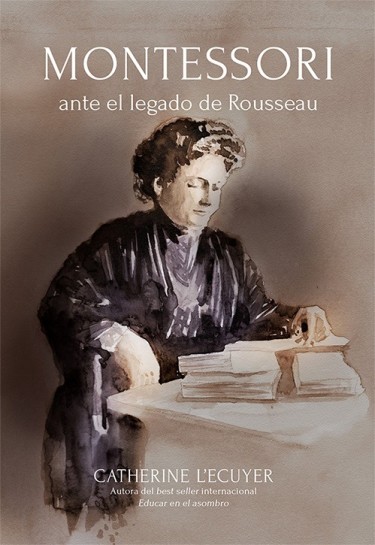
Montessori ante el legado de Rousseau
Montessori and Rousseaus legacy
Disponibilidad de la publicación
A la venta en este portal

Impreso9789587468908COP $95.000
Debes seleccionar al menos una opción de compra
- Colaboradores
- Catherine LEcuyer (Autor)
Un libro que nos presenta el pensamiento de Montessori de una manera coherente y clara. Una obra que bien podría haber escrito la propia Montessori, pero que no hizo”.
Prólogo de Inger Enkvist. Maria Montessori es una pedagoga controvertida.
Los naturalistas le reprocharon la rigidez y la artificialidad de su método, así como su rechazo a la imaginación productiva y a la fantasía; los progresistas, la individualidad y el carácter coercitivo de su método; los modernistas, su religiosidad; algunos le criticaron por adelantar los aprendizajes o de no respetar la libertad del niño, otros por lo contrario; los cristianos la tildaron de laicista, positivista, naturalista y teósofa, mientras que los teósofos la definieron como católica. Mientras Mussolini cerraba todas sus escuelas, le trataban de fascista. ¿Qué hay de cierto en todo ello? ¿Comparte los planteamientos de la pedagogía romántica de Rousseau? ¿Y del movimiento de la Educación Nueva? Quizás ha llegado el momento de dar respuesta a une serie de mitos que circulan con impunidad sobre una de las pedagogas y de las propuestas educativas más fascinantes y controvertidas de la historia de la educación.
Si Montessori vuelve hoy a estar en primera línea de la actualidad educativa, no es por casualidad. Su propuesta, rica en matices, no puede ser más actual en un contexto educativo de dialéctica infértil entre la instrucción directa y el aprendizaje por descubrimiento, entre el conductismo y el laissez-faire, entre la importancia de la razón y de la dimensión sensorial y, entre el aprendizaje pasivo y activo. Montessori nos puede ayudar a encontrar caminos nuevos que se salgan de las falsas retóricas que encierran esas dialécticas; abre una tercera vía que no solo trae matices, sino también y sobre todo claridad.
“A book that presents Montessori’s thought in a coherent and clear way. A work that could well have been written by Montessori herself, but which she never did.”
Foreword by Inger Enkvist. Maria Montessori is a controversial pedagogue.
Naturalists reproached her for the rigidity and artificiality of her method, as well as for her rejection of productive imagination and fantasy; progressives criticized the individuality and coercive nature of her approach; modernists, her religiosity. Some accused her of advancing learning too early or of not respecting children’s freedom—while others reproached her for the opposite. Christians branded her secularist, positivist, naturalist, and theosophist, while the theosophists defined her as “Catholic.” While Mussolini was shutting down all her schools, she was called a fascist. What truth lies behind all this? Does she share the principles of Rousseau’s romantic pedagogy? And those of the New Education movement? Perhaps the time has come to respond to the series of myths that circulate freely about one of the most fascinating and controversial figures—and educational proposals—in the history of education.
If Montessori is once again at the forefront of educational debate today, it is no coincidence. Her proposal, rich in nuance, could not be more relevant in an educational context marked by sterile dichotomies: between direct instruction and discovery learning, between behaviorism and laissez-faire, between the importance of reason and of sensory experience, between passive and active learning. Montessori can help us find new paths beyond the false rhetoric contained in these oppositions; she opens a third way that brings not only nuance but, above all, clarity.
- EDU000000 EDUCACIÓN > General (Principal)
- JNAS Sociedad y ciencias sociales > Educación (Principal)
- 370 Sociología y Antropología > Educación > Educación (Principal)
- Ciencias Sociales - Educación y Pedagogía
Estado: Activo
ISBN-13: 9789587468908
DOI: 10.21676/9789587468908
Idioma del texto: Español
Tamaño: 16 x 23 x 2.5 cm
Peso: 0.464 kg
Número de páginas del contenido principal: 384 Páginas
Sello editorial: Editorial Unimagdalena
Tipo de edición: Nueva edición
Número de edición: 1
Ciudad de publicación: Santa Marta
País de publicación: Colombia
Fecha de publicación: 2025-08-27
Tipo de restricción de venta: Exclusivo para un punto o canal de venta
Distribuidor de la editorial: Editorial Unimagdalena
Disponibilidad del producto: Disponible. Sin detalles.
Precio: (COP) 95000
País(es) incluido(s): Colombia
General / "Trade"
Destinatarios del contenido: Sin restricción
Tapa blanda o Bolsillo - Con solapas
- Editorial Unimagdalena: https://libros.unimagdalena.edu.co/montessori-ante-el-legado-pedagogico-de-rousseau-4d5n8.html