
- Inicio
- La editorial
- Catálogo
- Temáticas
- Artes
- Biografías, literatura y estudios literario
- Ciencias de la Tierra, geografía, medioambiente, planificación
- Computación y tecnología de la información
- Economía, finanzas, empresa y gestión
- Ficción y temas afines
- Historia, arqueología y filosofía
- Infantil, juvenil y educativo
- Lenguaje y lingüística
- Matemáticas y ciencias
- Medicina, enfermería, veterinaria
- Novela gráfica, cómics, manga, dibujos animados
- Sociedad, ciencias sociales y derecho
- Tecnología, ingeniería, agricultura, procesos industriales
- Colecciones
- Temáticas
- Acceso abierto
- Revistas
- Divulgación
- Distribución
- Ferias FilSMar
- Contacto
¡Actualizamos nuestra plataforma de lectura! Ahora puedes leer tus eBooks desde la app Mon’k. 👉 Conoce cómo
Interpelaciones interculturales en el currículo de las escuelas del retorno
Referencias para vislumbrar el posconflicto en Colombia
Intercultural interpellations in the curriculum of return schools
References to glimpse the post-conflict in Colombia

Disponibilidad de la publicación
A la venta en este portal

Impreso9789587460773COP $26.000

Impreso bajo demanda9789587460773COP $36.641
Debes seleccionar al menos una opción de compra
El presente libro expone los resultados de un estudio de investigación socioeducativa, realizado en una comunidad que sufrió desplazamiento forzado por razones del conflicto fratricida que se ha venido viviendo en Colombia desde mediados del siglo pasado. Hoy, estas personas se encuentran en situación de retorno a las tierras de las cuales fueron despojados por los actores armados. De igual manera, los autores del texto se anuncian como miembros del grupo de investigación Calidad Educativa en un Mundo Plural (CEMPLU), adscrito a la Universidad del Magdalena. Permitiéndose poner a consideración de la comunidad académica de la región, la nación y la hermandad latinoamericana, una nueva perspectiva epistemológica para abordar los fenómenos que se dan al interior de las escuelas. Pero también es una manifestación de coraje en la cual, se les brinda esperanza a todas aquellas personas que por un motivo u otro han sufrido vulneración en sus derechos personales y sociales, ya aquellas que aún se resisten a desfallecer, y que, en medio de su dolor, sus voces aún se pronuncian para enaltecer el mundo.
Este documento ha sido elaborado en un lenguaje afable, emergente prudentemente natural, en el cual se divulgan algunos constructos epistemológicos germinados en desarrollo de un estudio empírico llevado a cabo en la escuela rural "Los Tres Ángeles" de la vereda La Pola, en el municipio de Chibolo, Magdalena (Colombia). Su escritura se hace, desde un ejercicio inductivo, es decir, surgida desde abajo, donde los participantes no fueron inhibidos, puesto que alzaron sus voces para coadyuvar serenamente en el análisis teórico del objeto de estudio afrontado.
De esta manera, emanó la propuesta de un currículo para las personas que han retornado de un destierro impensado, sus beneficiarios se empoderaron de su acervo sociocultural heredado, en el cual estaban anclados unos saberes locales que les daban identidad y los hacía diferentes, pero no menos que sus pares, aquellos que les dieron la bienvenida en su regreso. Entonces el currículo adquiere vigencia en la comunidad, con él se le da sentido a la vida, ocasionando un estallido de nuevos motivos para reivindicarse como personas y realizarse como seres humanos.
This book presents the results of a socio-educational research study carried out in a community that suffered forced displacement due to the fratricidal conflict experienced in Colombia since the middle of the last century. Today, these people are returning to the lands from which they were dispossessed by armed actors. Likewise, the authors of the text announce themselves as members of the Educational Quality in a Plural World (CEMPLU) research group, attached to the University of Magdalena. This allows for the consideration of the academic community of the region, the nation, and the Latin American brotherhood, offering a new epistemological perspective to address the phenomena that occur within schools.
But it is also a manifestation of courage in which hope is offered to all those people who for one reason or another have suffered violations of their personal and social rights, and to those who still refuse to give up, and who, in the midst of their pain, their voices are still spoken to uplift the world.
This document has been prepared in a friendly, prudently natural emerging language, in which some epistemological constructs germinated in the development of an empirical study carried out in the "Los Tres Ángeles" rural school in the La Pola village, in the municipality of Chibolo, Magdalena (Colombia). Its writing is done from an inductive exercise, that is, it emerged from below, where the participants were not inhibited, as they raised their voices to calmly contribute to the theoretical analysis of the object of study faced.
In this way, the proposal of a curriculum for people who have returned from an unplanned exile emanated; its beneficiaries were empowered by their inherited sociocultural heritage, in which local knowledge was anchored that gave them identity and made them different, but not less than their peers, those who welcomed them on their return. Then the curriculum becomes valid in the community, giving meaning to life and causing an explosion of new reasons to claim oneself as people and realize oneself as human beings.
INTRODUCCIÓN
1. PROBLEMA DE ESTUDIO
2. PERSPECTIVA TEÓRICA
2.1 La escuela: lugar de reencuentro de las víctimas del desplazamiento forzado que han retomado a sus lugares de origen
2.2 El currículo como noción sociocultural
2.3 El currículo como noción de un estado homogeneizante
2.4 Currículo del retomo: una propuesta desde la vulnerabilidad
2.5 Interculturalidad en el currículo
2.6 El currículo inclusivo en la escuela del retomo
2.7 Currículo del retomo: emancipación y decolonialidad
3. PERSPECTIVA METODOLÓGICA
3.1 Diseño de la investigación
3.2 Exegética intercultural del currículo de una escuela del postconflicto
CONCLUSIONES
REFERENCIAS BIBLIOGRÁFICAS
ANEXOS
- EDU037000 EDUCACIÓN > Investigación (Principal)
- JN Sociedad y ciencias sociales > Educación (Principal)
- JPWS Sociedad y ciencias sociales > Política y gobierno
- 370.7 Sociología y Antropología > Educación > Educación > Educación, investigación, temas relacionados (Principal)
- Ciencias Sociales - Educación y pedagogía
Estado: Activo
ISBN-13: 9789587460773
Tipo de contenido principal: Texto (legible a simple vista)
Tipo de contenido del producto: Texto (legible a simple vista)
Protección técnica de publicación digital: DRM
Tipo de restricción de uso en publicaciones digitales: Préstamo
Permiso de uso en publicaciones digitales: Permitido sin límites
Tipo de restricción de uso en publicaciones digitales:
Permiso de uso en publicaciones digitales: No permitido
Idioma del texto: Español
Número absoluto de páginas: 78 Páginas
Tamaño del archivo: 2.33 Megabytes (MB)
Sello editorial: Editorial Unimagdalena
Tipo de edición: Nueva edición
Número de edición: 1
Ciudad de publicación: Santa Marta
País de publicación: Colombia
Fecha de publicación: 2016-09-01
Tipo de restricción de venta: Exclusivo para un punto o canal de venta
Editorial directamente a usuarios finales: Editorial Unimagdalena
Disponibilidad del producto: Disponible. Sin detalles.
Estado: Activo
ISBN-13: 9789587460773
DOI: 10.2307/j.ctt1zgwmfr
Idioma del texto: Español
Tamaño: 17 x 24 x 0.5 cm
Peso: 0.147 kg
Número de páginas del contenido principal: 86 Páginas
Sello editorial: Editorial Unimagdalena
Tipo de edición: Nueva edición
Número de edición: 1
Ciudad de publicación: Santa Marta
País de publicación: Colombia
Fecha de publicación: 2024-08-23
Tipo de restricción de venta: Exclusivo para un punto o canal de venta
Distribuidor de la editorial: Librantida
Disponibilidad del producto: Impresión bajo demanda (POD)
Precio: (ARS) 43340
Precio: (COP) 36641
Precio: (MXN) 264
Precio: (USD) 25
Estado: Activo
ISBN-13: 9789587460773
DOI: 10.2307/j.ctt1zgwmfr
Idioma del texto: Español
Tamaño: 17 x 24 x 0.5 cm
Peso: 0.147 kg
Número absoluto de páginas: 78 Páginas
Sello editorial: Editorial Unimagdalena
Tipo de edición: Nueva edición
Número de edición: 1
Ciudad de publicación: Santa Marta
País de publicación: Colombia
Fecha de publicación: 2016-09-01
Tipo de restricción de venta: Exclusivo para un punto o canal de venta
Distribuidor de la editorial: Editorial Unimagdalena
Disponibilidad del producto: Disponible. Sin detalles.
Precio: (COP) 26000
General / "Trade"
Destinatarios del contenido: Sin restricción
Digital: descarga - PDF
Libro - Cubierta de cartulina o papel grueso
Tapa blanda o Bolsillo - Cubierta de cartulina o papel grueso
Productos relacionados
Año de publicación2026AutorElizabeth Carolina Córdoba Pinedo y otros
Trenzando saberes
Año de publicación2026AutorMelina Paola Quintero Santos y otros
Derechos humanos en acción
Año de publicación2026AutorJohanna Marcela Flórez Castillo y otros
Balanceo de ecuaciones químicas
Año de publicación2026AutorIsabela Figueroa
Diversidad cultural y derechos humanos
Año de publicación2026AutorÁngel Alfonso Jiménez Sierra y otros
Formación docente situada para la integración de la tecnología TPACK-LS
Año de publicación2026AutorLuis Alfredo González Monroy y otros
La investigación educativa en el Caribe colombiano
Año de publicación2026AutorAlexander Ortiz Ocaña y otros
Investigaciones doctorales en pedagogía, interculturalidad y gestión de los sistemas educativos
Año de publicación2026AutorAmileth Martínez Salazar
Sexualidad y universidad
Año de publicación2026AutorHabib Mejía Porto y otros
La cultura anfibia
Año de publicación2025AutorCatherine LEcuyer
Montessori ante el legado de Rousseau
Año de publicación2025AutorCatherine LEcuyer
Conversaciones con mi maestra
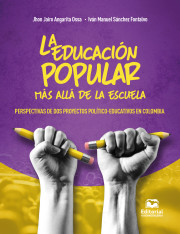
Año de publicación2025AutorJhon Jairo Angarita Ossa y otros
La educación popular más allá de la escuela
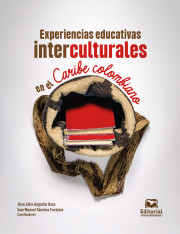
Año de publicación2025AutorJhon Jairo Angarita Ossa y otros
Experiencias educativas interculturales en el Caribe colombiano
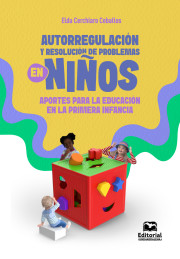
Año de publicación2025AutorElda Luz Cerchiaro Ceballos
Autorregulación y resolución de problemas en niños
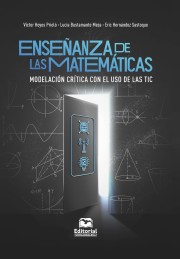
Año de publicación2025AutorVíctor José Hoyos Prioló y otros
Enseñanza de las matemáticas
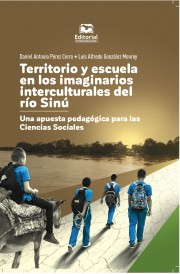
Año de publicación2025AutorDaniel Antonio Pérez Cerro y otros
Territorio y escuela en los imaginarios interculturales del río Sinú
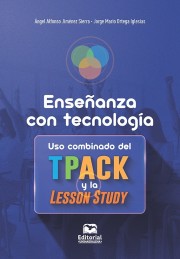
Año de publicación2025AutorÁngel Alfonso Jiménez Sierra y otros
Enseñanza con tecnología
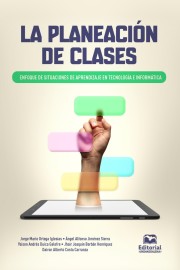
Año de publicación2024AutorJorge Mario Ortega Iglesias y otros
La planeación de clases
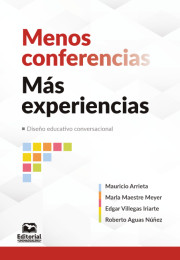
Año de publicación2024AutorMauricio Arrieta Fontanilla y otros
Menos conferencias, más experiencias
Año de publicación2024AutorJavier de Jesús Viloria Escobar y otros
La renovación de la acreditación de alta calidad en instituciones de educación superior
Año de publicación2024AutorEdgardo Luis González Acuña y otros
Identidad pedagógica de las instituciones educativas
Año de publicación2024AutorAlan Fairlie Reinoso y otros
Avances y desafíos de los procesos de internacionalización en programas de posgrado en el Perú
Año de publicación2024AutorMelisa Inmaculada Martínez Valle y otros
Sistema pedagógico de gestión de la calidad (SPGC) en instituciones educativas

Año de publicación2024AutorSamuel Prieto Mejía y otros