
- Inicio
- La editorial
- Catálogo
- Temáticas
- Artes
- Biografías, literatura y estudios literario
- Ciencias de la Tierra, geografía, medioambiente, planificación
- Computación y tecnología de la información
- Economía, finanzas, empresa y gestión
- Ficción y temas afines
- Historia, arqueología y filosofía
- Infantil, juvenil y educativo
- Lenguaje y lingüística
- Matemáticas y ciencias
- Medicina, enfermería, veterinaria
- Novela gráfica, cómics, manga, dibujos animados
- Sociedad, ciencias sociales y derecho
- Tecnología, ingeniería, agricultura, procesos industriales
- Colecciones
- Temáticas
- Acceso abierto
- Revistas
- Divulgación
- Distribución
- Ferias FilSMar
- Contacto
¡Actualizamos nuestra plataforma de lectura! Ahora puedes leer tus eBooks desde la app Mon’k. 👉 Conoce cómo
Melambo
Tradiciones e historias de Guamal
Melambo
Traditions and stories of Guamal

Disponibilidad de la publicación
A la venta en este portal

eBook (EPUB)9789587461565COP $11.900
eBook (PDF)9789587461558COP $11.900

Impreso9789587461541COP $54.000

Impreso bajo demanda9789587461541COP $95.998
Debes seleccionar al menos una opción de compra
- Colaboradores
- John Carlos Pedrozo Pupo (Autor)
Han pasado casi tres siglos desde la fundación de Guamal, el 16 de julio de 1747, por el maestre de campo José Fernando de Mier y Guerra. El militar eligió, para el poblamiento de colonos, las bermejas areniscas y la parte más alta del asentamiento aborigen del cacique Melambo. Un sitio privilegiado y testigo de las diversas campañas colonizadoras hacia el interior del país por parte del invasor español. Este libro describe y reseña una serie de acontecimientos y relatos de tipo histórico, antropológico, etnográfico y folclórico que permiten entender el sincretismo cultural del hombre del río en la Depresión Momposina. Esta obra reafirma la particular cosmovisión de los hombres y las mujeres de Guamal en el sur del Magdalena en la región Caribe colombiana.
Almost three centuries have passed since the foundation of Guamal on 16 July 1747 by the field master José Fernando de Mier y Guerra. The military officer chose, for the settlement of colonists, the red sandstone and the highest part of the aboriginal settlement of the cacique Melambo. A privileged site and witness of the various colonisation campaigns towards the interior of the country by the Spanish invaders. This book describes and reviews a series of historical, anthropological, ethnographic and folkloric events and stories that allow us to understand the cultural syncretism of the man of the river in the Momposina Depression. This work reaffirms the particular cosmovision of the men and women of Guamal in the south of the Magdalena in the Colombian Caribbean region.
- HIS000000 HISTORIA > General (Principal)
- NH Historia y arqueología > Historia (Principal)
- 900 Geografía e historia > Historia mundial > Geografía e historia (Principal)
- Humanidades y Artes - Historia
Estado: Activo
ISBN-13: 9789587461558
DOI: 10.2307/j.ctvb4bt3j
Tipo de contenido principal: Texto (legible a simple vista)
Tipo de contenido del producto: Texto (legible a simple vista)
Protección técnica de publicación digital: Ninguno
Tipo de restricción de uso en publicaciones digitales:
Permiso de uso en publicaciones digitales: No permitido
Idioma del texto: Español
Tamaño del archivo: 40 Megabytes (MB)
Número absoluto de páginas: 250 Páginas
Sello editorial: Editorial Unimagdalena
Tipo de edición: Nueva edición
Número de edición: 1
Ciudad de publicación: Santa Marta
País de publicación: Colombia
Fecha de publicación: 2018-10-31
Tipo de restricción de venta: Exclusivo para un punto o canal de venta
Distribuidor de la editorial: Editorial Unimagdalena
Disponibilidad del producto: Disponible. Sin detalles.
Precio: (COP) 11900
País(es) incluido(s): Colombia
Precio: (USD) 15.6
Estado: Activo
ISBN-13: 9789587461565
DOI: 10.2307/j.ctvb4bt3j
Tipo de contenido principal: Texto (legible a simple vista)
Tipo de contenido del producto: Texto (legible a simple vista)
Protección técnica de publicación digital: Ninguno
Tipo de restricción de uso en publicaciones digitales:
Permiso de uso en publicaciones digitales: No permitido
Idioma del texto: Español
Tamaño del archivo: 40 Megabytes (MB)
Número de páginas orientativo de un producto digital: 250 Páginas
Sello editorial: Editorial Unimagdalena
Tipo de edición: Nueva edición
Número de edición: 1
Ciudad de publicación: Santa Marta
País de publicación: Colombia
Fecha de publicación: 2018-10-31
Tipo de restricción de venta: Exclusivo para un punto o canal de venta
Distribuidor de la editorial: Editorial Unimagdalena
Disponibilidad del producto: Disponible. Sin detalles.
Precio: (COP) 11900
País(es) incluido(s): Colombia
Precio: (USD) 15.6
Estado: Activo
ISBN-13: 9789587461541
DOI: 10.2307/j.ctvb4bt3j
Idioma del texto: Español
Tamaño: 15 x 22 x 1.7 cm
Peso: 0.279 kg
Número de páginas del contenido principal: 252 Páginas
Sello editorial: Editorial Unimagdalena
Tipo de edición: Nueva edición
Número de edición: 1
Ciudad de publicación: Santa Marta
País de publicación: Colombia
Fecha de publicación: 2024-08-13
Tipo de restricción de venta: Exclusivo para un punto o canal de venta
Distribuidor de la editorial: Librantida
Disponibilidad del producto: Impresión bajo demanda (POD)
Precio: (ARS) 79745.6
Precio: (COP) 95998
Precio: (MXN) 397
Precio: (USD) 46
Estado: Activo
ISBN-13: 9789587461541
DOI: 10.2307/j.ctvb4bt3j
Idioma del texto: Español
Tamaño: 15 x 22 x 1.7 cm
Peso: 0.279 kg
Número absoluto de páginas: 250 Páginas
Sello editorial: Editorial Unimagdalena
Tipo de edición: Nueva edición
Número de edición: 1
Ciudad de publicación: Santa Marta
País de publicación: Colombia
Fecha de publicación: 2018
Tipo de restricción de venta: Exclusivo para un punto o canal de venta
Distribuidor de la editorial: Universidad del Magdalena
Disponibilidad del producto: Disponible. Sin detalles.
Precio: (COP) 54000
General / "Trade"
Destinatarios del contenido: Sin restricción
Digital (suministrado electrónicamente) - PDF
- Editorial Unimagdalena: https://libros.unimagdalena.edu.co/melambo-tradiciones-e-historias-de-guamal-ilogt.html
Digital (suministrado electrónicamente) - EPUB
- Editorial Unimagdalena: https://libros.unimagdalena.edu.co/melambo-tradiciones-e-historias-de-guamal-ilogt.html
Libro - Con solapas
- Editorial Unimagdalena: https://libros.unimagdalena.edu.co/melambo-tradiciones-e-historias-de-guamal-ilogt.html
Tapa blanda o Bolsillo - Con solapas
- Editorial Unimagdalena: https://libros.unimagdalena.edu.co/melambo-tradiciones-e-historias-de-guamal-ilogt.html
Productos relacionados
Año de publicación2026AutorMaría Angélica del Mar Mendoza Manotas y otros
Raíces, resistencias y territorios

Año de publicación2026AutorErnesto Restrepo Tirado y otros
Historia de la provincia de Santa Marta
Año de publicación2026AutorManuel J. Díaz-Granados Cotes y otros
Geografía económica del Magdalena Grande

Año de publicación2026AutorLuis García Benítez y otros
Reseña histórica de los obispos que han regentado la diócesis de Santa Marta
Año de publicación2026AutorJorge Enrique Elías Caro y otros
El Magdalena Grande en imágenes

Año de publicación2026AutorMabel Paola López Jerez y otros
Antonia Márquez (siglo XVII)

Año de publicación2026AutorJosé C. Alarcón y otros
Compendio de historia del departamento del Magdalena
Año de publicación2026AutorTerry B. Sanders y otros
Las cartas de Riohacha

Año de publicación2025AutorJoaquín Viloria De La Hoz y otros
Un conde nórdico en el Caribe
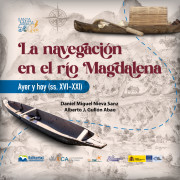
Año de publicación2025AutorDaniel Miguel Nieva Sanz y otros
La navegación en el río Magdalena

Año de publicación2025AutorJoaquín Ceballos Angarita
Santa Marta

Año de publicación2025AutorRaúl Román Romero y otros
Músicas, danzas y expresiones festivas en América Latina y el Caribe

Año de publicación2025AutorJoaquín Viloria De La Hoz y otros
La música en la Gran Cuenca del Caribe
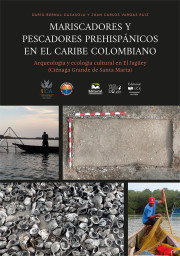
Año de publicación2025AutorDarío Bernal Casasola y otros
Mariscadores y pescadores prehispánicos en el Caribe colombiano
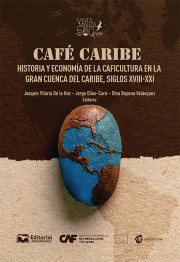
Año de publicación2024AutorJoaquín Viloria De La Hoz y otros
Café Caribe
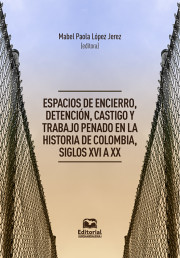
Año de publicación2024AutorMabel Paola López Jerez y otros
Espacios de encierro, detención, castigo y trabajo penado en la historia de Colombia, siglos XVI a XX

Año de publicación2024AutorJosé Nicolás De La Rosa y otros
Floresta de la santa iglesia catedral de la ciudad y provincia de Santa Marta
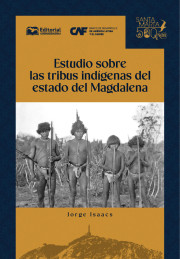
Año de publicación2024AutorJorge Isaacs y otros
Estudio sobre las tribus indígenas del estado del Magdalena
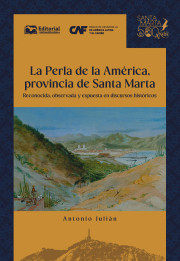
Año de publicación2024AutorAntonio Julián y otros
La Perla de la América, provincia de Santa Marta

Año de publicación2024AutorJoaquín Viloria De La Hoz y otros
La batalla de Ciénaga de 1820 y la independencia del Caribe colombiano

Año de publicación2024AutorEsperanza Ardila Beltrán y otros
Memorias de violencia

Año de publicación2024AutorFabio Silva Vallejo y otros
Historias del Magdalena

Año de publicación2023AutorOscar Zanetti Lecuona y otros
Economías y desarrollo en el Caribe (1950-2000)

Año de publicación2023AutorAntonio Luis Rodríguez Acosta